What Are Pulses and Why Do They Matter?
Pulses are dried seeds of leguminous plants — a category that includes lentils (masoor dal), chickpeas (chana), pigeon peas (arhar/toor dal), mung beans (moong dal), black gram (urad dal), kidney beans (rajma), and many more. They are a cornerstone of Indian cuisine and an essential protein source for millions of households.
India is both the largest producer and the largest consumer of pulses in the world. Delhi, positioned at the crossroads of major agricultural belts — Haryana, Uttar Pradesh, Rajasthan, and Madhya Pradesh — naturally evolved into a major processing and distribution hub for Pulses of All Varieties.
For bulk buyers, sourcing from pulses processors and suppliers in Delhi offers several key advantages:
• Direct access to freshly processed stock
• Competitive pricing due to proximity to raw material sources
• Wide variety of grades and specifications under one roof
• Established logistics infrastructure for pan-India delivery
Types of Pulses Processed and Supplied in Delhi
Delhi's pulse trade covers an extensive product range. Here's a breakdown of the most commonly traded and processed varieties:
1. Chana Dal (Split Bengal Gram)
One of the most consumed pulses in India, chana dal is widely processed in Delhi's mills. It is available in multiple grades — bold, medium, and small — and is used in everything from street food to packaged snack coatings.
2. Moong Dal (Split Green Gram)
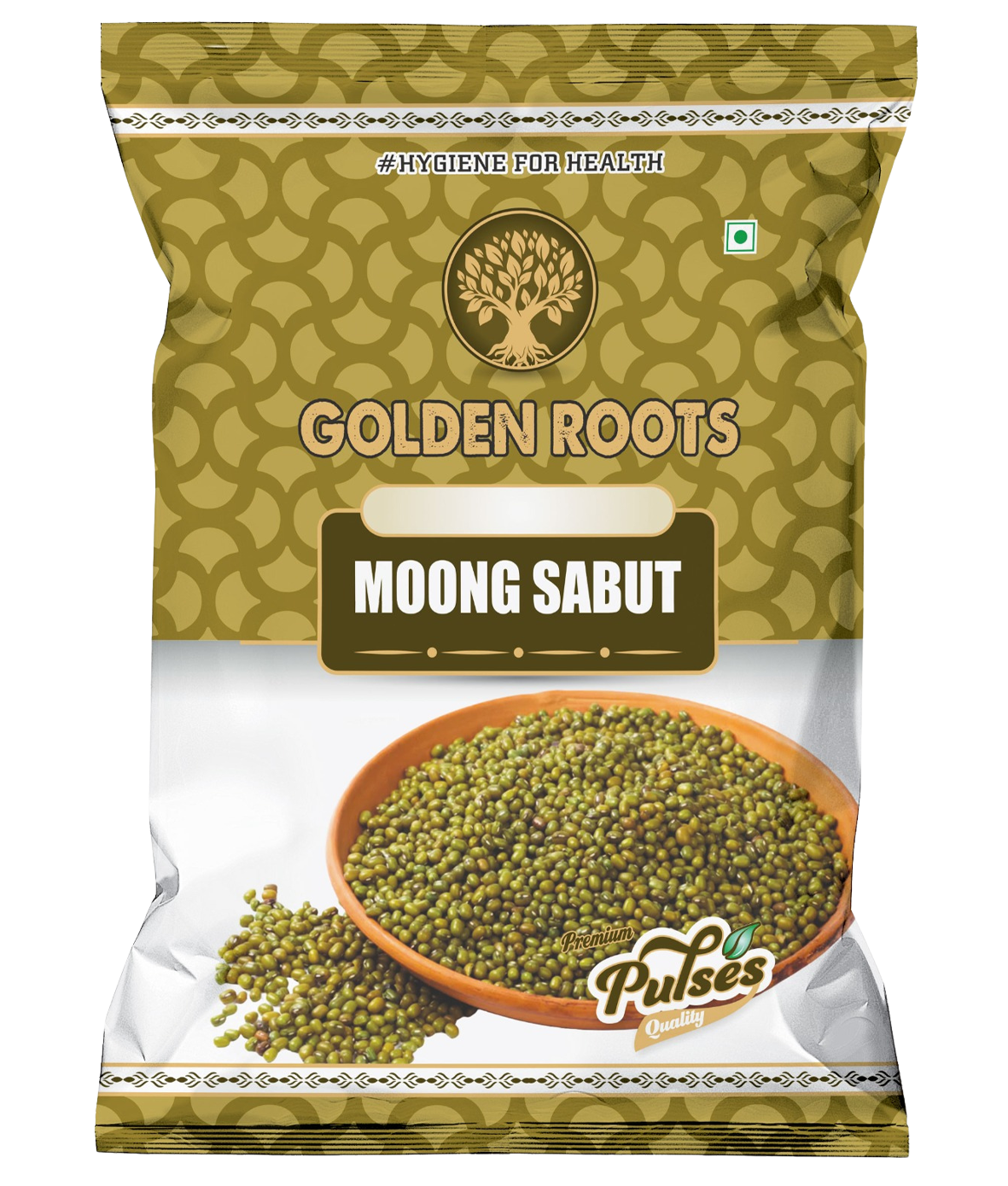
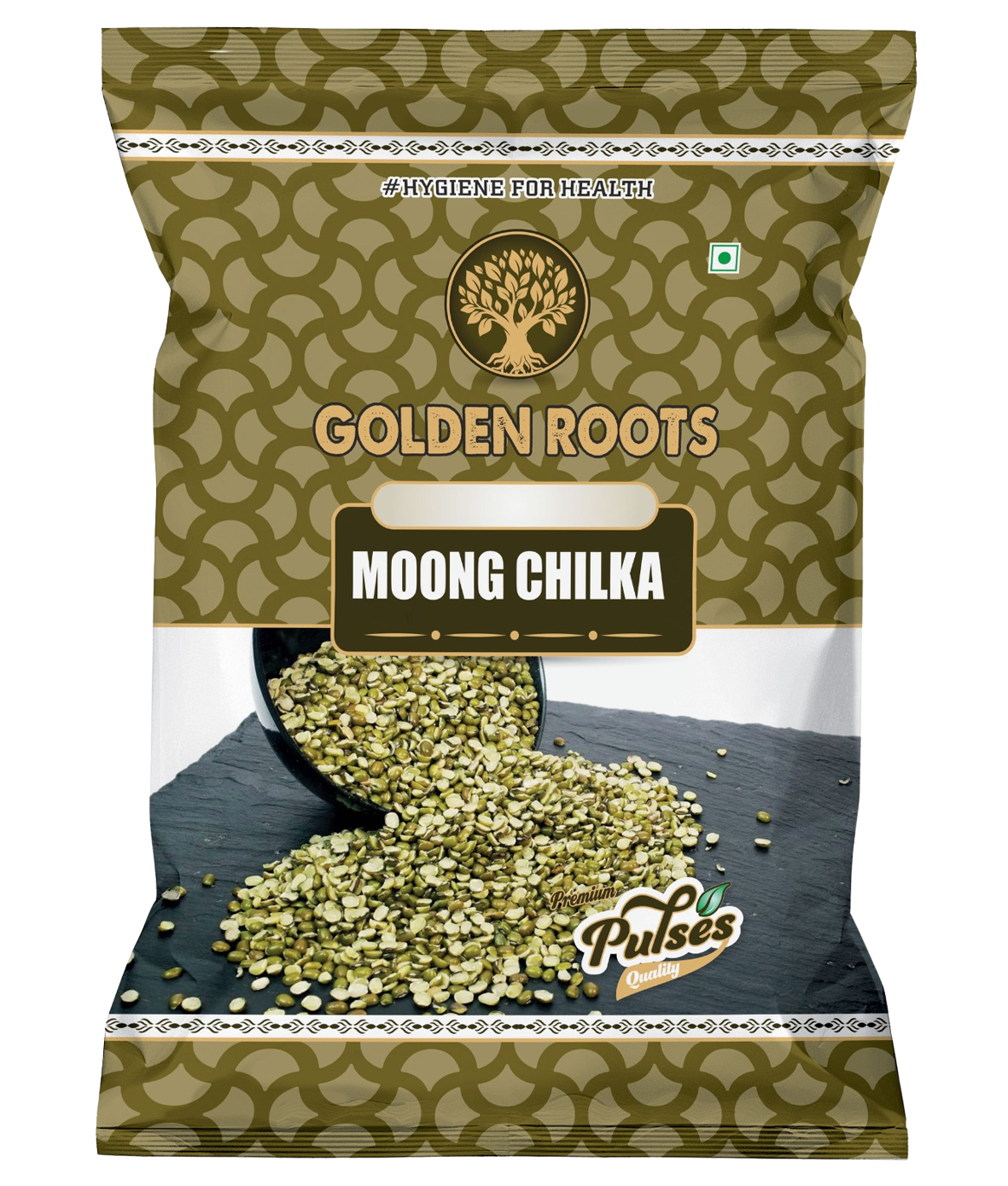
Available in whole, split, and dehusked forms, moong dal is a high-demand product in urban markets. Delhi suppliers stock moong dal in both machine-cleaned and sortex-cleaned grades.
3. Masoor Dal (Red Lentils)
Masoor is one of the fastest-cooking pulses and sees high demand from both domestic and export markets. Delhi-based processors often handle imported masoor alongside domestic supplies.
4. Toor Dal / Arhar Dal (Pigeon Peas)
A staple across Indian households, toor dal is processed in both oily and dry variants. Delhi processors source raw toor from Maharashtra, Karnataka, and Andhra Pradesh for milling and packing.
5. Urad Dal (Black Gram)
Urad dal — whole, split, and washed — is a key ingredient in South Indian cuisine and high-protein diets. Processors in Delhi supply urad in various forms to restaurants, packaged food companies, and flour mills.
6. Rajma (Kidney Beans)
Both red and white kidney beans are sourced and supplied in bulk from Delhi's wholesale markets. Rajma is particularly popular in Northern India and has strong demand from modern retail chains.
7. Kabuli Chana (Chickpeas)
Large-grain kabuli chickpeas are in high demand for both domestic use and Middle Eastern export markets. Delhi processors supply sorted and graded kabuli chana in 25 kg and 50 kg sacks as well as custom packaging.
The Pulse Processing Journey: From Raw Grain to Clean Dal
Understanding how pulses are processed helps buyers make better decisions when evaluating suppliers. Here's what a professional pulses processing unit in Delhi — like Goldenroots Food — typically follows:
Step 1: Raw Material Procurement
Quality begins at the farm. Reliable processors source raw pulses directly from mandis in Rajasthan, MP, and UP, or through trusted aggregators. The emphasis is on moisture levels, impurity percentage, and crop freshness.
Step 2: Pre-Cleaning
Raw material is passed through pre-cleaners to remove dust, stones, plant matter, and other physical impurities. This stage sets the baseline quality for all subsequent steps.
Step 3: Dehusking and Splitting
The outer husk is removed using friction-based hullers or emery rollers. Splitting is done with roller mills to produce consistent half-grains. The ratio of whole to split grains is carefully controlled based on customer requirements.
Step 4: Grading and Sizing
After splitting, pulses are graded by size using vibrating sieves and gravity separators. This step ensures uniformity of grain — an important specification for packaged food companies and retail chains.
Step 5: Sortex (Color Sorting)
Advanced optical sorters detect and remove discolored, damaged, or foreign grains by color and shape. Sortex-cleaned dal commands a premium price and is required by most modern retail buyers and export markets.
Step 6: Polishing (Optional)
Some varieties — particularly urad and moong — are given a light polish to improve appearance. Oil polishing is traditional; water polishing is used for export-grade material.
Step 7: Packaging and Dispatch
Final product is packed in food-grade HDPE bags, PP woven sacks, or branded retail pouches depending on the buyer's requirements. Clean, labeled packaging is critical for compliance with FSSAI regulations.
What to Look for in a Pulses Supplier in Delhi
With hundreds of dal suppliers and processors in Delhi, choosing the right partner is not always straightforward. Here are the key factors that professional buyers should evaluate:
✔ FSSAI Certification
Any reputable food supplier in India must hold a valid FSSAI license. This ensures compliance with food safety standards and is non-negotiable for institutional and retail buyers.
✔ Consistent Quality Grading
Ask for lab reports or moisture and impurity certificates for each batch. Top suppliers maintain consistent moisture levels (typically below 12–14%) and low foreign matter content.
✔ Sortex Cleaning Facility
A supplier with in-house sortex capability delivers superior product quality and can customize cleaning intensity based on your target market — domestic retail vs. food service vs. export.
✔ Bulk Supply and Storage Capacity
For institutional buyers, a supplier's warehouse and storage capacity directly determines their ability to fulfill large orders without delays. Look for suppliers with controlled storage environments to preserve freshness.
✔ Transparent Pricing and Origin Disclosure
A trustworthy supplier should be able to tell you where the raw material was sourced, which crop year it belongs to, and how it was stored. Price transparency builds long-term relationships.
✔ Pan-India Logistics Capability
Whether you need delivery in Delhi NCR or across India, a capable supplier should have established logistics partners — truck fleet, railway connections, or courier tie-ups for smaller shipments.
Goldenroots Food: Your Trusted Partner for Bulk Pulses in Delhi
Goldenroots Food has established itself as one of the reliable pulses processors and suppliers in Delhi, serving a diverse clientele that includes grocery chains, restaurant supply houses, institutional kitchens, flour mill operators, and export intermediaries.
Here's what makes Goldenroots Food a preferred partner:
Quality-First Philosophy
At Goldenroots Food, quality is not an afterthought — it is the foundation of every operation. From raw material selection to final dispatch, each batch undergoes systematic checks to ensure the product meets buyer specifications. Whether you require premium sortex-cleaned moong dal or machine-cleaned toor dal for bulk use, the output consistently delivers.
Wide Product Range
Goldenroots Food processes and supplies a comprehensive range of pulses including:
• Chana Dal (fine and bold grades)
• Moong Dal (whole, split, washed)
• Masoor Dal (Indian and imported)
• Toor Dal (oily and dry varieties)
• Urad Dal (whole, split, washed)
• Kabuli Chana and Desi Chana
• Rajma (red and white)
Bulk Supply for Institutional Buyers
Whether the order is 1 tonne or 100 tonnes, Goldenroots Food structures its supply chain to handle bulk requirements with consistent lead times. Regular buyers benefit from scheduling agreements that lock in price and delivery windows.
Custom Packaging Options
Goldenroots Food offers packaging flexibility — 5 kg, 10 kg, 25 kg, or 50 kg bags in food-grade materials. For private label buyers, custom printing on packaging is also available, enabling brands to market Goldenroots Food products under their own name.
Compliance and Traceability
Every batch at Goldenroots Food is traceable back to its source. FSSAI-compliant labeling, correct moisture documentation, and clean supply chain records make audits and compliance exercises seamless for buyers in regulated sectors.
Key Markets and Demand Drivers for Pulses in Delhi
Delhi's demand for processed pulses comes from multiple segments, each with distinct requirements:
Modern Retail (Supermarkets and Online Grocery) Premium sortex-cleaned pulses in attractive retail packaging. Strict quality benchmarks, bar-coded packs, and consistent sizing are standard requirements.
HORECA (Hotels, Restaurants, Catering) Bulk purchasing at competitive prices. Quality consistency matters more than packaging aesthetics. Large kitchens prefer 25–50 kg sacks with quick delivery cycles.
Institutional Supply (Hospitals, Schools, Mid-Day Meal Schemes) Government-grade specifications with documentation and certification requirements. Price and quantity reliability are the primary criteria.
Flour Mills and Food Processors Raw or semi-processed pulses for further value addition — besan production, papad, namkeen, and ready-to-eat products. Volume and price efficiency dominate purchasing decisions.
Export and Trading Houses Export-grade pulses demand the highest sortex standards, moisture control, and compliance with destination country import regulations. Delhi-based exporters sourcing from processors like Goldenroots Food benefit from proximity to air cargo at IGI Airport and rail connections to JNPT (Mumbai).
Delhi's Major Pulse Trading Markets
For those navigating the pulse trade in Delhi, several markets serve as traditional hubs:
Lawrence Road, Keshav Puram — One of Delhi's oldest grain and pulse wholesale markets, housing hundreds of commission agents, processors, and traders dealing in all major pulse varieties.
Naiwala, Karol Bagh — Known for consumer-grade pulses and packaging, this area also has many small-scale processors catering to local retail demand.
Azadpur Mandi — While primarily known for fruits and vegetables, Azadpur also sees significant pulse trading, particularly for commodities arriving from Haryana and western UP.
Narela and Bawana Industrial Areas — Home to modern processing units, including sortex facilities and automated packaging lines that serve larger institutional buyers.
Goldenroots Food operates with awareness of this market ecosystem, maintaining sourcing relationships across these hubs and beyond to consistently deliver fresh, well-processed stock.
How to Buy Pulses in Bulk from Delhi: A Practical Guide
If you are looking to source pulses in bulk from Delhi for the first time, here is a step-by-step approach:
1. Define your specifications — Variety, grade (regular or sortex), packaging size, and quantity per order.
2. Request samples — Always ask for a physical sample before placing a large order. Evaluate color, size uniformity, moisture, and impurity levels.
3. Check certifications — Verify FSSAI license and ask for recent lab reports.
4. Discuss pricing structure — Understand whether pricing is fixed or market-linked (spot pricing for agricultural commodities is common). Ask about payment terms, credit availability, and GST invoicing.
5. Confirm logistics — Clarify who bears freight costs, expected delivery time, and return/replacement policy for off-spec material.
6. Start with a trial order — Place a smaller initial order before committing to a long-term contract. This lets you evaluate actual delivery quality vs. sample quality.
Conclusion: Choosing the Right Pulses Partner in Delhi
The Delhi pulse market is large, competitive, and dynamic. Prices shift with seasonal harvests, import policies, and consumer demand cycles. In this environment, what differentiates a good supplier from a great one is consistency — consistent quality, consistent supply, and consistent communication.
Goldenroots Food has built its business on exactly these principles. As one of the emerging pulses processors and suppliers in Delhi, the brand combines modern processing infrastructure with a deep understanding of buyer needs across retail, institutional, and export segments.
If you are looking for a dependable source of processed pulses — whether you need a trial shipment or a long-term supply contract — Goldenroots Food is equipped to deliver.
FAQs
Question 1. Why is Delhi considered one of the best places to source pulses in India?
Ans. Delhi sits at the crossroads of India's major pulse-producing states — Uttar Pradesh, Rajasthan, Madhya Pradesh, and Haryana. This geographic advantage means shorter supply chains, fresher stock, competitive wholesale pricing, and access to one of the country's most developed food logistics networks. As a result, Delhi-based pulses processors and suppliers can offer greater variety, faster turnaround, and better traceability than suppliers located far from agricultural belts.
Question 2. What types of pulses are available from suppliers in Delhi?
Ans. Delhi suppliers stock a comprehensive range of pulses including chana dal (split Bengal gram), moong dal (split green gram — whole, split, and washed), masoor dal (red lentils), toor/arhar dal (pigeon peas), urad dal (black gram), kabuli chana (chickpeas), desi chana, and rajma (kidney beans in red and white varieties). Most reputable suppliers like Goldenroots Food offer multiple grades of each variety — from machine-cleaned standard grades to premium sortex-cleaned stock.
Question 3. Which are the main pulse trading markets in Delhi?
Ans. The major pulse trading hubs in Delhi include Naya Bazar, Lawrence Road in Keshav Puram (one of the city's oldest and largest grain wholesale markets), Naiwala in Karol Bagh (known for consumer-grade pulses and branded packaging), Azadpur Mandi (significant for fresh seasonal arrivals from nearby states), and the Narela and Bawana industrial areas (home to modern sortex and automated packaging facilities serving large institutional buyers).
Question 4. What moisture levels are acceptable in processed pulses?
Ans. For most processed pulses, an acceptable moisture content is below 12–14%. Excess moisture causes clumping, mold growth, and shorter shelf life. When evaluating suppliers, always ask for a moisture report for the specific batch you are purchasing. Reputable processors like Goldenroots Food maintain controlled storage conditions to prevent moisture absorption during warehousing, particularly during the monsoon season.
Question 5. How important is storage capacity when evaluating a pulse supplier?
Ans. Storage capacity is a critical but often overlooked factor when evaluating a pulse supplier. A supplier with limited storage cannot fulfill large or repeat orders without delays, especially during peak procurement seasons. More importantly, storage environment matters — pulses stored in uncontrolled humidity conditions quickly absorb moisture, leading to quality degradation. When shortlisting suppliers, ask about their warehouse capacity, storage environment controls, and maximum stock-holding duration. Reliable suppliers like Goldenroots Food maintain sufficient inventory to buffer against short-term supply disruptions.

.png)
 (3).jpg "Top Besan Manufacturer in India | Quality & Wholesale")
 (1).png "Best Besan Manufacturers in India | Golden Roots Food")